
How to Make a Podcast Sound Professional on a Budget
Updated October 2026
Most podcasts sound amateur because of the room, the distance from the mic and uneven levels, not the price of the mic. Fix those three first.
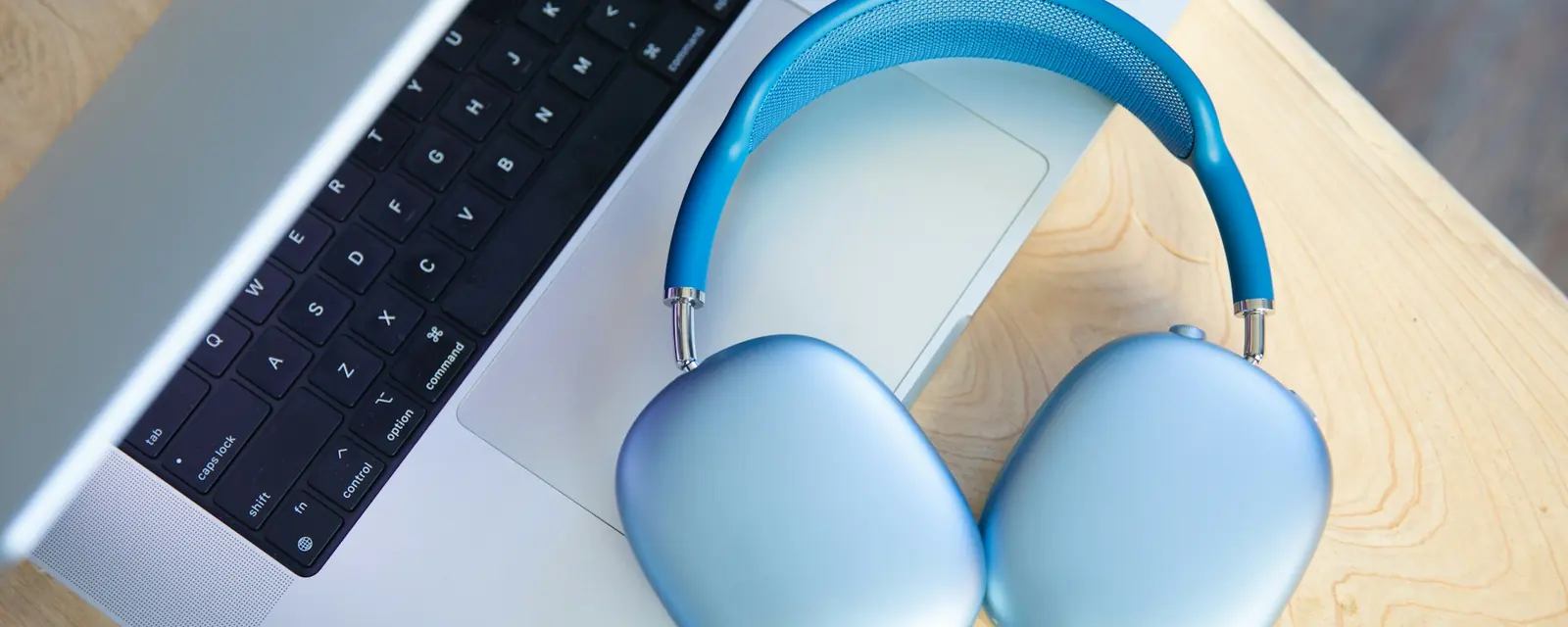
Record in a room that has soft surfaces, curtains, rugs and a sofa. A closet with clothes is still the cheapest good booth. Turn off the fan and the fridge while you record.
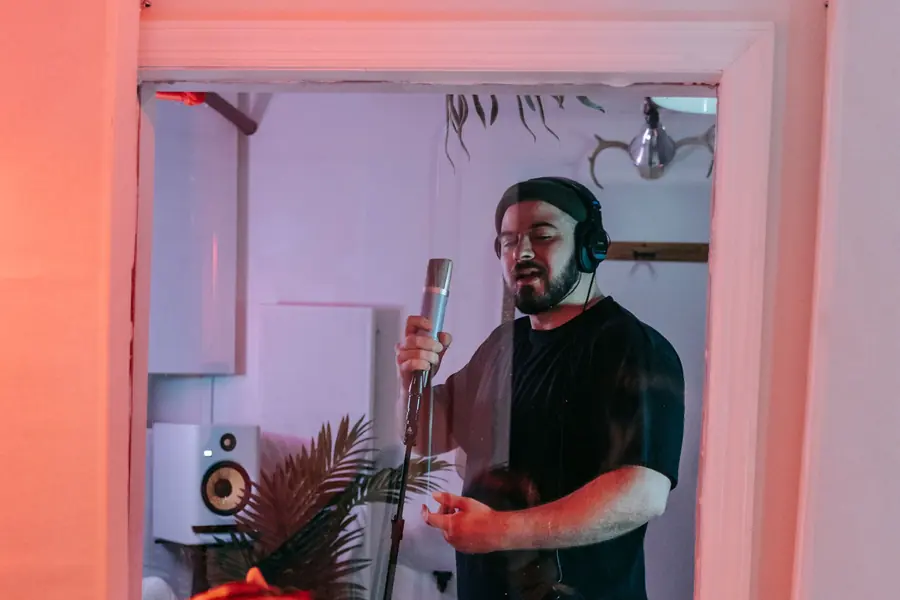
A USB or XLR mic close to each speaker beats an expensive mic far away. Keep each person the same distance from their mic, about a hand’s width, and use a pop filter or a foam cover to stop breath pops.
Each speaker is usually at a different level. Bring each one to about the same loudness before you mix them together. A loud guest and a quiet host is the most common reason a podcast sounds unfinished.
Remove the noise once on the whole recording, then cut the dead air and the ums. Finally set the episode to one loudness target. Tunedzy’s Match loudness and its podcast preset (-16 LUFS) do this in one step, with a check for true peak. Check your podcast host’s guidance before you publish, because platforms can change their recommendations.
Record each episode the same way: the same room, the same mic position, the same level. Consistent recordings clean up more easily and sound more like one show.
Multitrack in Tunedzy lines up each voice, levels them and exports the mix at a podcast loudness, with a pass or fail check.
No. A close, well-placed mic in a soft room sounds better than an expensive mic in a hard room far away.
Many podcast guides use around -16 LUFS for stereo and -19 LUFS for mono. Check the rules of the platform you publish on.
Level each track separately before mixing. Automatic levelling can help, but setting each track by hand first gives better results.
 How to Record a Voiceover on Your Phone
 Loudness for YouTube, Podcasts and SpotifyHow to Edit a Podcast by Its Words
All guides and comparisons · Tunedzy Go on your phone · Pricing